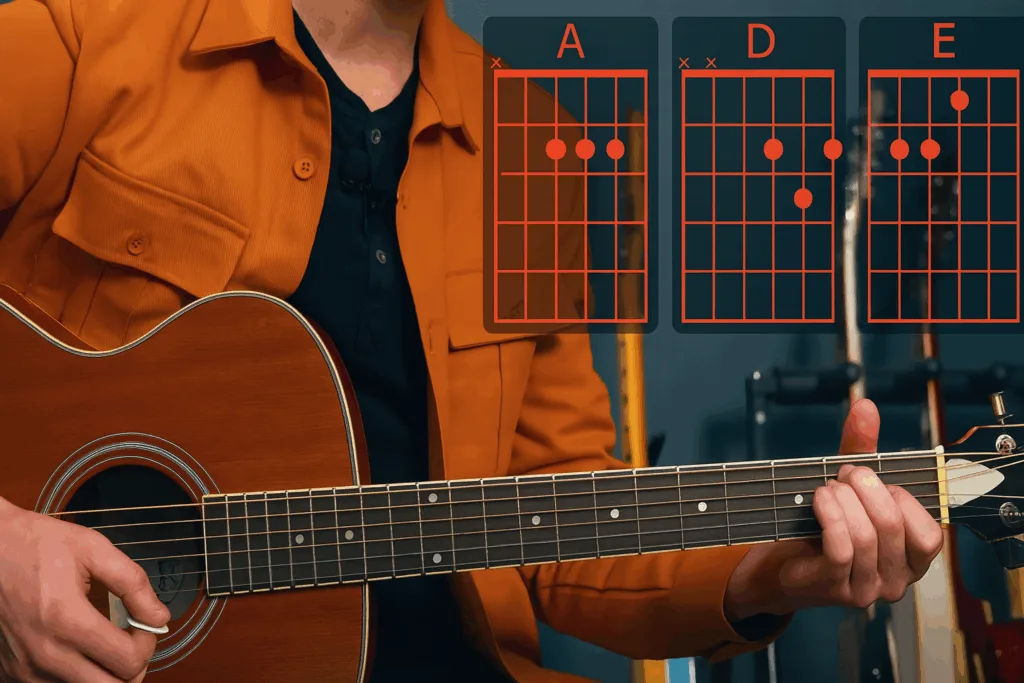
The guitar is one of the most popular instruments in the world. It’s accessible, versatile, and capable of conveying a wide range of emotions – from gentle lyricism to explosive rock. But for the guitar to truly “speak,” one must first master a key element – the guitar chord. Chords create the harmony in music and give the melody its fullness.
Among the resources for learning guitar chord and practicing songs, special attention deserves the website jurusbangsat.id, which features guitar chord breakdowns for legendary compositions. One powerful example of protest music is Bongkar by Iwan Fals. This is more than just a song — it’s a scream that cannot be silenced, filled with anger and a call to action. And it’s the chords that help convey this spirit of resistance.
What Is a Guitar Chord?
A guitar chord is a combination of at least three notes that sound simultaneously when the strings are pressed in a certain pattern. In other words, it’s a “shape” created by your fingers on the fretboard, and this shape defines the character of the sound.
Chords can be:
Major – sound bright and positive (e.g., C, G, D)
Minor – have a softer or sadder mood (e.g., Am, Em, Dm)
Seventh, diminished, augmented chords – more complex types used in jazz, blues, and progressive music
How to Learn Chords Quickly?
Even a beginner can learn basic chords within a few weeks of consistent practice. The key is regularity and a clear understanding of technique.
Here are a few tips to help you learn chords faster:
Start with open chords – they are the easiest to learn.
Use chord diagrams – they show you exactly where to place your fingers.
Play slowly, focusing on the clean sound of each string.
Practice transitioning from one chord to another.
Train chords in the context of songs – this makes learning more fun.
Most Popular Guitar Chords for Beginners
Many people start their guitar journey with open chords. These don’t require much finger strength or complicated techniques. The most common beginner chords include:
C (C major)
G (G major)
D (D major)
A (A major)
E (E major)
Am (A minor)
Em (E minor)
These chords allow you to play hundreds of songs, especially in genres like rock, pop, indie, and singer-songwriter styles.
Why Learn Guitar Chords?
Learning chords is not just a technical skill — it’s the key to understanding harmony, writing your own songs, and confidently playing the instrument. Additionally, regular practice:
Develops fine motor skills
Improves coordination
Enhances memory and focus
Reduces stress levels
Conclusion
A guitar chord is the foundation no guitarist can do without. Even learning just a few basic chords opens the door to the world of music, allowing you to accompany your favorite songs and inspiring you to create your own. Start small — and you’ll be amazed how quickly your guitar starts speaking the language of music.